

Published Jul 22, 2022 | 8:00 AM ⚊ Updated Jul 28, 2022 | 2:55 PM


Diabetics walking barefoot has been one of the major reasons for them developing ulcers and infections, some even leading to death. (Creative Commons)
People diagnosed with diabetes for more than two years should never walk barefoot even in their homes, say podiatrists: doctors who specialise in treating conditions of the foot and ankle, and chiefly complications related to diabetes.
Diabetics walking barefoot has been one of the major reasons for them developing ulcers and infections, some even leading to death.
“It is not in our culture to wear footwear in most places. Indian diabetics spend a majority of their time either without footwear or with improper footwear,” said Dr Pavan Belehalli, Head of the Department of Podiatry at the Karnataka Institute of Endocrinology and Research (KIER).
“If people who are diabetic for two years screened their foot and found that there was a loss of sensitivity in them, then we ask them to wear thick socks even for temples,” he added.
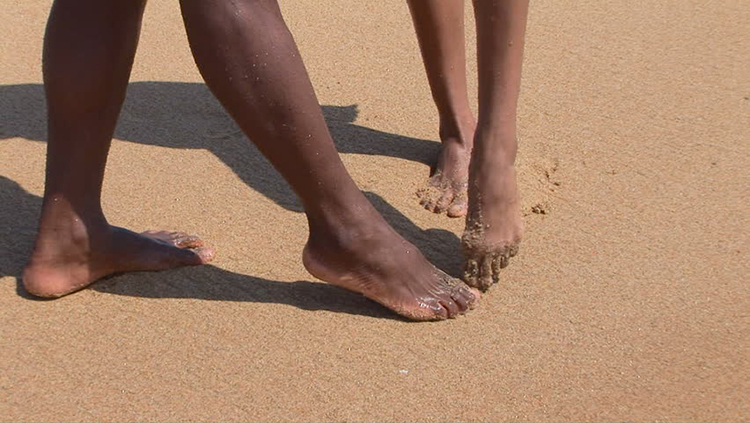
Walking barefoot even in and around the house can prove dangerous for people with ‘Diabetic Foot’. (Creative Commons)
Belehalli said such patients invariably end up with blisters and ulcers from visiting temples or any religious places barefoot.
The hot weather usually leaves their foot with such problems and many of them do not get it treated and end up with severe infections and gangrene, leading to amputations.
Diabetic Foot, according to doctors, has been a leading cause of non-traumatic amputations in many states.
As per the data shared by Karnataka’s Department of Podiatry, KIER alone screens approximately 8,000 patients every year.
Of them, nearly 40,00 need an operation. And at least 150 of them end up losing their legs, feet, and toes.
“These are just numbers from one hospital. There are hundreds of people who visit our facility, take our opinion, and run away once we suggest surgery,” said Belehalli.
“They end up going for amputations either at local government hospitals or private hospitals,” he explained.
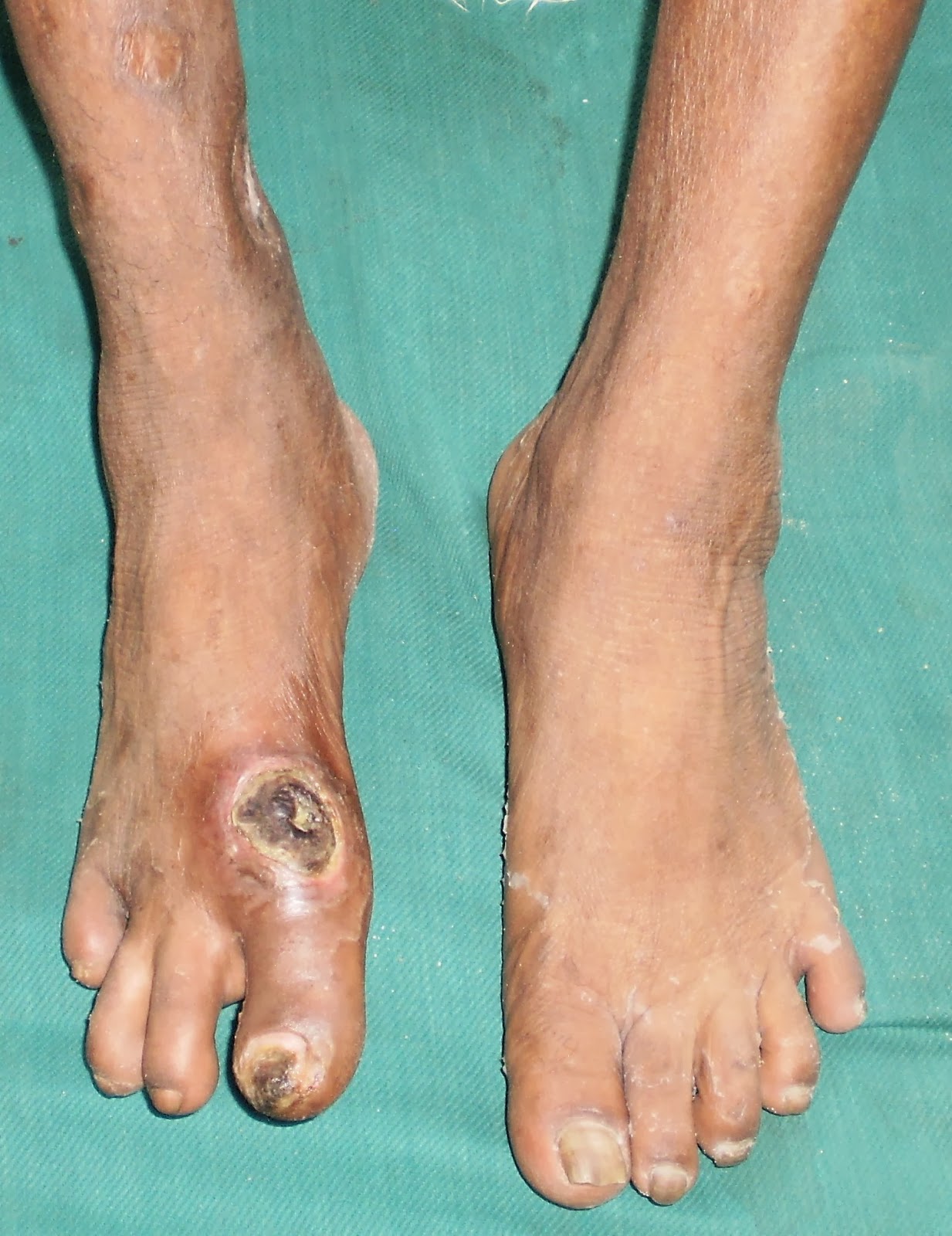
Infections due to blisters, corns, cuts, and wounds should not be neglected. (Creative Commons)
Diabetes has two complications. One, it destroys the nerves in the foot, which can lead to decreased sensation. Such patients won’t even know if they are injured or develop blisters.
It also destroys arteries, which affects blood flow to the legs and feet, leading to a condition called diabetic neuropathy.
“Both these will increase the risk of complications related to feet,” said Dr Rajendra S, a senior consultant and Head Department of Plastic Surgery at Bengaluru’s Sakra World Hospital, which also houses a comprehensive diabetic foot and wound care clinic.
He added, “Increased blood sugar levels can cause nerve damage in the feet, which can cause loss of sensitivity, changes in the shape of the feet, and reduced blood flow, making it harder for foot ulcers or injury to heal.”
Even minor cuts, fungus infections in between the toes, blisters etc, if left untreated, can become serious infections which may need leg, foot, toe, or lower-limb amputation.
Podiatrists ask diabetic patients — anyone above 18 years diagnosed with the disease for more than two years — to make it a routine practice to look for any kind of burning sensation in the feet, as well as tingling or numbness, blisters, cuts or wounds.
Endocrinologist Dr Abhay G said, “The problem with diabetic neuropathy is that people, once they have developed this condition, will not have any sensation in the feet. So even if they trip over something inside the house, or step on a sharp object or toy, they will not know that there is a wound.”
He added: “This can be dangerous and lead to gangrene. It is important to do a daily foot check and note any change in the colour of the skin, the shape of the feet, or any kind of wound.”
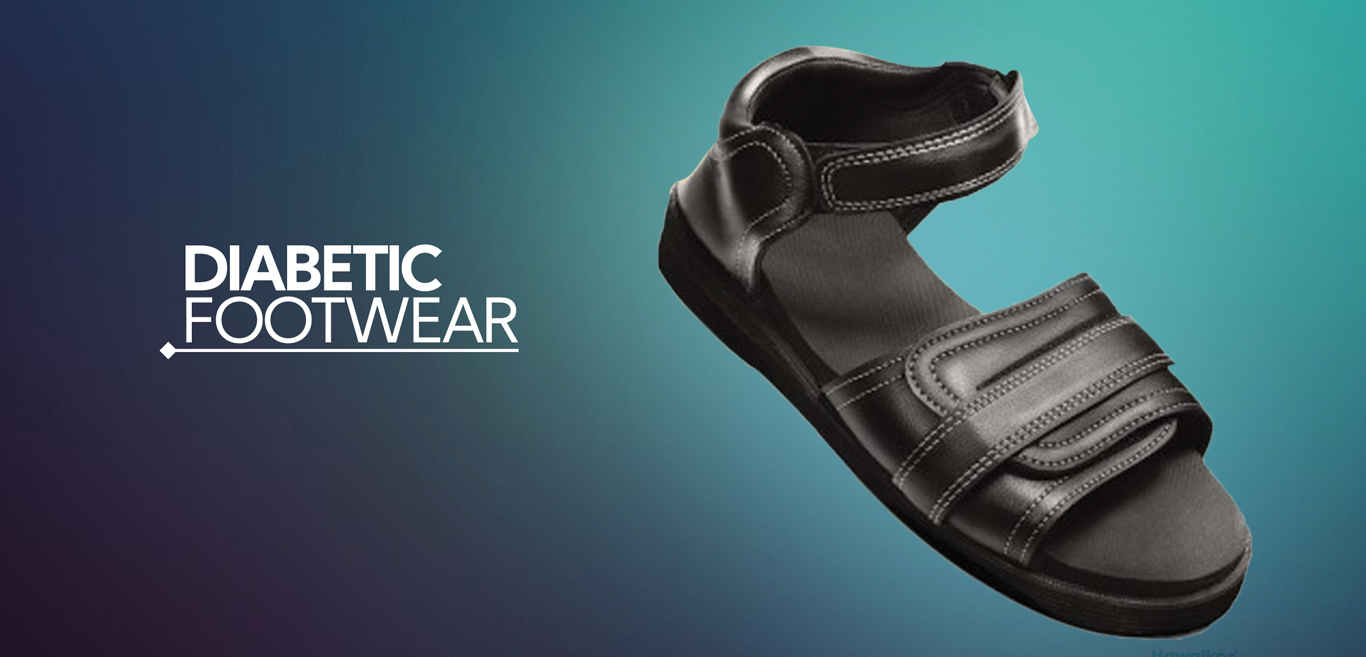
Choosing the right footwear is important. (Creative Commons)
While walking barefoot is a complete no-no, doctors stress on the importance of choosing the right footwear.
Belehalli said not many people are aware that diabetics need the right kind of footwear.
He explained that therapeutic shoes are the best for such people.
There are deeper shoes with extra room to accommodate any kind of wounds or sores.
Then there are healing shoes that have both the sandal version and the closed-shoe type.
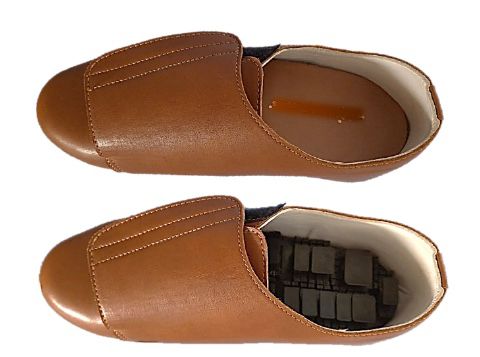
IISc researchers and KERC come up with customised shoes/sandals for ‘diabetic foot’. (Creative Commons)
The KIER, along with the IISc, has developed unique self-regulating shoes for diabetic people.
The prototype of this is ready, and it is expected to be in the market by next year.
Belehalli said this footwear would be “3D-printed and can be customised according to the person’s foot dimension and walking style”.
He added: “It will also ensure the pressure is not on the foot in the wrong direction, and activate nerves that need it the most.”


